


Your skin’s needs change with the weather, and sticking to the same products year-round can lead to dryness, breakouts, or irritation. By understanding how each season affects your complexion, you can fine-tune your skincare routine to stay glowing and healthy no matter the climate.
Step 1: Understand Seasonal Skin Changes
The environment directly impacts how your skin behaves:
-
Winter: Cold air and indoor heating strip moisture, causing dryness and flakiness.
-
Spring: Rising humidity can increase oil production and trigger allergies.
-
Summer: Heat and UV rays lead to excess sweat, breakouts, and sun damage.
-
Autumn: Cooler, drier air signals the need for more hydration.
Recognizing these patterns helps you plan ahead and avoid seasonal skin problems.
Step 2: Winter – Hydration is Everything
Winter’s cold temperatures and low humidity demand extra care:
-
Rich Moisturizers: Choose creams with ceramides, shea butter, or hyaluronic acid.
-
Gentle Cleansers: Avoid harsh foaming cleansers that strip natural oils.
-
Humidifier: Add moisture to indoor air to prevent dryness.
-
SPF Still Matters: UV rays penetrate clouds, so daily sunscreen remains essential.
Don’t forget your lips and hands, which are prone to cracking in cold weather.
Step 3: Spring – Calm and Balance
Spring brings fluctuating temperatures and pollen, which can irritate sensitive skin:
-
Lightweight Moisturizer: Hydrate without clogging pores as humidity rises.
-
Antioxidants: Vitamin C and green tea serums fight inflammation and brighten dull winter skin.
-
Allergy Protection: Rinse your face after outdoor activities to remove pollen and pollutants.
This is also a great time to reintroduce exfoliation to remove winter’s dry buildup.
Step 4: Summer – Protect and Refresh
Summer’s heat and strong sun require a defense-first routine:
-
Broad-Spectrum Sunscreen (SPF 30+): Reapply every 2 hours, especially outdoors.
-
Oil-Free Moisturizer: Lightweight gels keep skin hydrated without heaviness.
-
Cleansing Twice Daily: Remove sweat and sunscreen to prevent clogged pores.
-
Cooling Mists: Hydrating sprays refresh skin throughout the day.
Adding antioxidants like vitamin E boosts your skin’s ability to fight sun-induced free radicals.
Step 5: Autumn – Repair and Replenish
As temperatures drop, focus on recovery and preparation for winter:
-
Barrier-Repair Creams: Look for ceramides and peptides to strengthen the skin.
-
Exfoliation: Gently remove dead cells to improve absorption of hydrating products.
-
Retinol: Fall is ideal for introducing retinoids, as sun exposure decreases.
This transition period is perfect for nourishing treatments like overnight masks and facial oils.
Step 6: Year-Round Essentials
No matter the season, some habits remain constant:
-
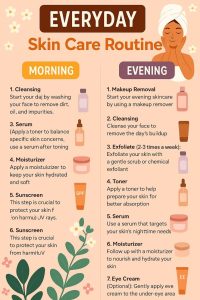
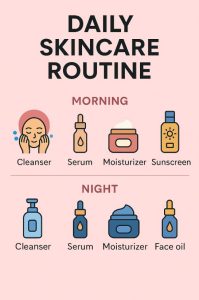
Daily Sunscreen: UV damage is the number one cause of premature aging.
-
Hydration: Drink plenty of water and eat water-rich fruits and vegetables.
-
Sleep & Stress Management: Adequate rest and stress reduction keep your skin resilient.
Consistency in these basics ensures your seasonal adjustments are even more effective.
Step 7: Listen to Your Skin
Everyone’s skin reacts differently to weather changes. Pay attention to signs like dryness, oiliness, or sensitivity, and adjust your routine accordingly. Sometimes small tweaks—like switching from a gel cleanser to a cream cleanser—make a big difference.
Step 8: Plan Ahead for Travel
If you’re traveling between climates, pack versatile products:
-
Multi-Purpose Balms: Work as lip balm, cuticle cream, or emergency moisturizer.
-
Hydrating Mist: Helps skin adapt to sudden humidity changes.
-
Travel-Sized Sunscreen: Never skip protection, no matter the destination.
Final Thoughts
Your skincare routine should be as dynamic as the weather. By anticipating seasonal changes and adjusting products accordingly, you can protect your skin, maintain hydration, and enjoy a healthy glow all year long. Think of it as giving your skin a wardrobe—tailored to each season, but built on timeless essentials.


